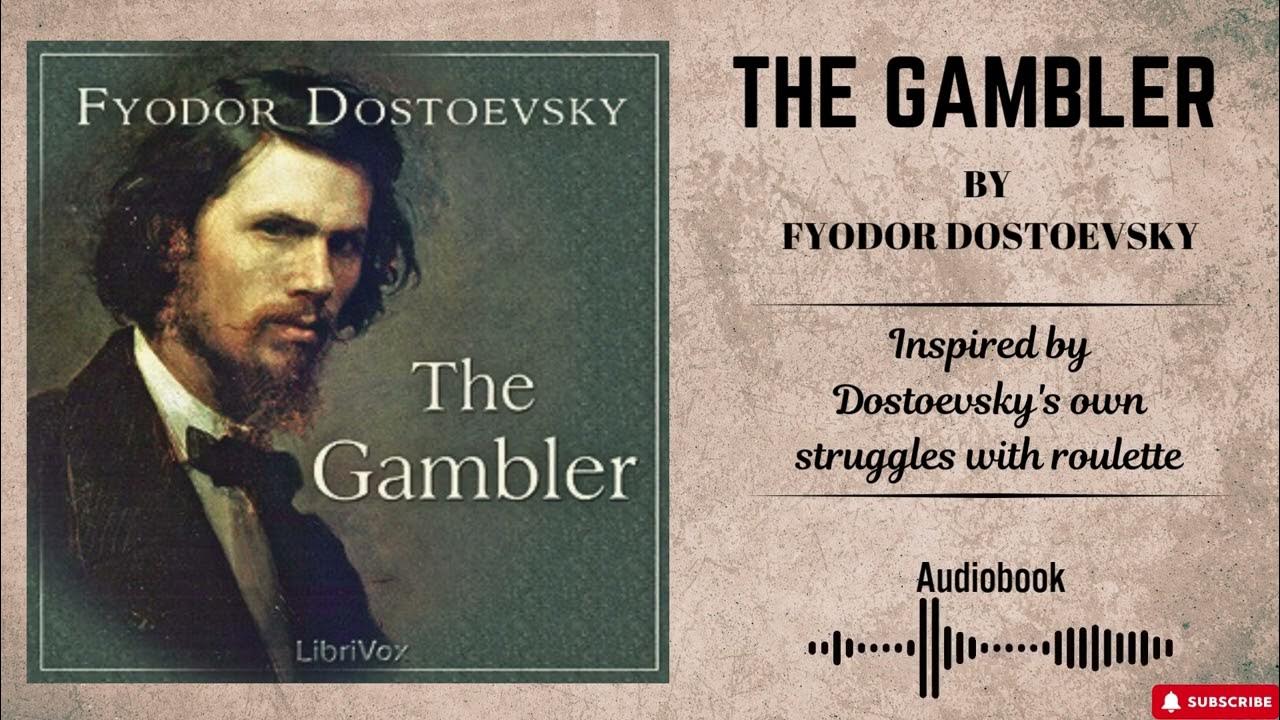
Gambling in Literature: How Dostoevsky's The Gambler Reflects 2026 Trends
Quick answer to the main question
Yes, Dostoevsky's The Gambler is a profound literary exploration of gambling that still resonates today, especially in 2026. Its themes of addiction, chance, and human psychology mirror modern gambling trends, such as the rise of online platforms and innovations like bitcoin casino online. The novel’s depiction of risk and obsession remains eerily relevant in our data-driven, volatile gambling environment of 2026.
5 facts about 'gambling in literature (Dostoevsky's The Gambler)' you didn't know
- Many scholars believe Dostoevsky wrote The Gambler in just 26 days, driven by his own gambling addiction.
- The novel was published anonymously at first, reflecting the social stigma around gambling addiction during Dostoevsky’s era.
- Its depiction of gambling's psychological effects is considered one of the most realistic in literature, predating modern studies of behavioral addiction.
- In 2026, the novel’s themes are increasingly relevant as online gambling platforms incorporate advanced AI, offering personalized experiences.
- The story reflects the volatile nature of markets like crypto, with players chasing quick wins—paralleling modern trends like betting on volatile digital assets.
Detailed answers
Why did Dostoevsky write The Gambler?
He needed money. Fast. But more than that, he wanted to explore the depths of compulsive gambling. His own struggles gave authenticity to the characters' psychological battles. Today, it’s still a mirror for those battling addiction, especially with the rise of digital betting environments.
How does the novel depict gambling addiction?
Through intense character development and emotional turmoil. Dostoevsky shows how obsession can distort perceptions of risk, much like how RTP (Return to Player) and volatility in online casinos influence players today. In 2026, this depiction helps us understand the psychology behind modern gambling behavior, especially in high-volatility markets like bitcoin casino online.
What are the similarities between the novel and modern gambling trends?
Both are about chasing elusive wins. The novel’s roulette table becomes a symbol of life's unpredictability. Today, players chase big jackpots on digital platforms, often without realizing how house edge or KYC procedures affect their chances. The novel’s insight into human nature endures, especially as gambling becomes more accessible through smartphones and crypto integration.
Data Table: Bonus Terms
| Bonus Type | Wager | Max Cashout | Validity |
|---|---|---|---|
| Welcome Bonus | 35x | $500 | 30 days |
| Deposit Bonus | 40x | $300 | 60 days |
| Free Spins | 20x | $100 | 14 days |
Top safe sites in 2026
- Bitcoin Casino Online — Licensed, with high RTP and reliable KYC procedures.
- CryptoBet — Known for transparent bonus terms and fast withdrawals.
- AlphaGamblers — Focused on responsible gambling with strict limits.
Conclusion
Dostoevsky’s The Gambler remains a powerful reflection of gambling’s nature—its risks, thrill, and human cost. As we approach 2026, the parallels with modern digital gambling are striking. Whether you're pinpointing volatility or considering how blockchain changes betting, the novel’s core message endures. Gambling is still about chance, obsession, and the human condition — just in new shapes.