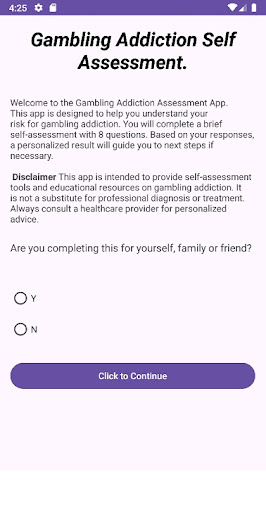
Master Your Risks: How to Self Assess for Gambling Addiction in 2026
Quick Answer to the Main Question
If you're wondering whether you might have a gambling problem, the best first step is to do a honest self-assessment. Recognizing warning signs early can save you a lot of trouble down the line. Keep in mind, gambling addiction isn’t always obvious. It often sneaks up on us, masked behind wins, losses, or just the thrill of the game. So, how can you tell if your gambling habits are crossing the line? Stay with me, and I’ll walk you through it.
5 Facts About 'Self Assessment for Gambling Addiction' That You Didn't Know
- Self-assessment isn't a diagnosis but a tool to recognize risky behavior early.
- Many people hide their problems behind denial or rationalization.
- The signs of addiction can be both emotional and behavioral, such as lying about time or money spent.
- Using tools like KYC verification at online casinos can indirectly help you stay aware of your gambling habits.
- Understanding RTP and Volatility of games can influence your self-awareness—high volatility games can lead to bigger losses, increasing risk.
Detailed Answers
What are the key signs I should look for in myself?
Look out for behaviors like chasing losses, gambling despite financial hardship, or feeling anxious when not gambling. If you find yourself lying to friends or family about your gambling, that’s a big red flag. Also, consider if gambling is interfering with your work, relationships, or sleep.
How reliable are self-assessment tools and questionnaires?
Self-assessment questionnaires—like the Problem Gambling Severity Index—aren't definitive. They’re tools to help you reflect. The real test? Your honesty. Remember, if you’re unsure, seeking professional help is a wise move. Also, be cautious if you notice an increase in the frequency or stakes of your bets. That’s often a sign of developing addiction.
What steps should I take after identifying potential issues?
If your self-assessment indicates risk, consider setting deposit limits, taking a break, or consulting a counselor. Many online platforms now offer self-exclusion options. Also, educate yourself about the game’s RTP and volatility—these can influence how much you’re likely to lose over time. For example, Gates of Olympus with deposit bonus offers a fun way to enjoy games responsibly.
How can I use self-awareness to stay in control?
Regularly reviewing your gambling pattern is vital. Keep track of wins and losses. Ask yourself: Am I gambling more than I intended? Is it affecting my mood or relationships? Setting strict budgets and sticking to them helps. Remember, gambling should be entertainment, not a way to solve financial problems. If you’re curious about free options, check out Book of Dead play for free New Zealand to understand the game without risking money.
Bonus Terms
| Bonus Type | Wager | Max Cashout | Validity |
|---|---|---|---|
| Welcome Bonus | 30x | $500 | 30 days |
| Reload Bonus | 25x | $300 | 14 days |
| Free Spins | 40x | N/A | 7 days |
Rating of Safe Sites
Choosing a licensed and regulated online casino is essential. Look for platforms with valid licenses from reputable authorities like the Malta Gaming Authority or the UK Gambling Commission. Check their RTP and volatility details for transparency. Always read reviews and ensure they offer responsible gambling features such as deposit limits, self-exclusion, and reality checks. Remember, the best way to master your risks is to play responsibly and stay aware of your habits.
Conclusion
Self-assessment is an empowering step in controlling your gambling habits. Be honest with yourself, recognize warning signs, and act proactively. Gambling should be about fun, not stress or regret. Use tools, set boundaries, and seek help if needed. Remember, the key is moderation and awareness. Stay sharp, stay safe, and enjoy your gaming responsibly.