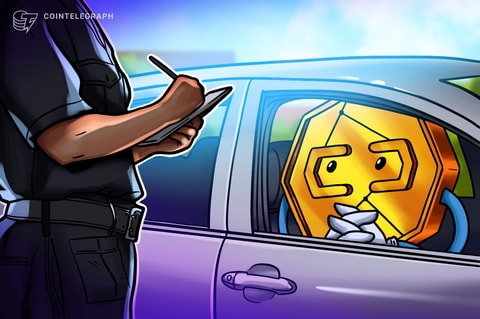
The Global Crackdown on Unlicensed Operators: A New Era of Player Protection
Introduction: Understanding the Regulatory Offensive
The global regulatory landscape is witnessing an unprecedented crackdown on unlicensed operators, a concerted effort by authorities worldwide to safeguard consumers and ensure market integrity. This regulatory offensive is not a fleeting trend but a fundamental shift in how online gambling markets are governed. The primary goal is to eliminate rogue entities that operate outside the law, thereby protecting players from fraud, unfair games, and financial loss. As jurisdictions from Europe to North America and Asia tighten their enforcement frameworks, the message is clear: the era of unregulated, shadowy online gambling is coming to an end. This movement prioritizes a safe, fair, and transparent environment for all participants, fundamentally reshaping the industry's future.
Why Regulators Are Intensifying Enforcement Actions
The drive behind the intensified campaign against illegal gambling sites is multifaceted, rooted in consumer protection, economic security, and social responsibility. Unlicensed platforms pose a significant threat, not only to individual players but to the entire financial and social fabric.
Key Drivers of the Regulatory Crackdown
Authorities are motivated by several critical factors. First and foremost is player protection. Unlicensed sites often lack proper age verification, leading to underage gambling, and have inadequate responsible gaming tools. Secondly, there is a major concern over financial crime; these operators are frequently linked to money laundering and lack secure payment processing. Third, licensed operators who pay taxes and comply with strict regulations are at a competitive disadvantage, creating an unfair market. Finally, the integrity of sporting events is compromised by unregulated betting, increasing the risk of match-fixing.
The Tangible Risks of Unlicensed Platforms
Engaging with an unlicensed operator is a high-risk endeavor for consumers. Players face the genuine possibility of non-payment of winnings with no legal recourse. Personal and financial data is often inadequately protected, leading to identity theft. The games themselves may be manipulated, as they are not subject to independent testing by agencies like eCOGRA or iTech Labs. Furthermore, in the event of a dispute, players have no access to official arbitration or alternative dispute resolution services typically mandated for licensed brands.
Global Hotspots: Where the Crackdown Is Most Active
The fight against unlicensed gambling is a global phenomenon, with certain regions leading the charge through aggressive legislation and enforcement. The strategies vary, but the objective remains consistent: to block access and penalize illicit operators.
Europe's Multi-Pronged Approach
In Europe, countries like the UK, Sweden, and the Netherlands have established robust regulatory regimes. The UK Gambling Commission (UKGC) is renowned for its strict licensing conditions and hefty fines for non-compliance. Sweden's Spelinspektionen employs a licensing system coupled with channelization measures, aiming to direct players to the regulated market. The Dutch Kansspelautoriteit (KSA) actively pursues enforcement against unlicensed operators with substantial fines and has implemented a comprehensive licensing framework for online operators.
North America's Evolving Landscape
In North America, the situation is complex due to state-by-state regulation in the US and provincial control in Canada. States like New Jersey, Pennsylvania, and Michigan have rigorous processes to license and monitor operators, actively blacklisting and pursuing legal action against those targeting their residents without authorization. In Canada, while the federal framework is evolving, provinces like Ontario have launched their own regulated markets, requiring all operators to obtain a provincial license to legally offer services, a significant step in the clampdown on illegal gambling websites.
The Tools and Tactics of Regulatory Bodies
Regulators are not acting blindly; they employ a sophisticated arsenal of tools to identify, target, and penalize unlicensed entities. This offensive against unregulated gambling leverages technology, financial controls, and international cooperation.
- Geo-Blocking and ISP Orders: Authorities work with internet service providers (ISPs) to block access to domains identified as unlicensed, preventing residents from visiting these sites.
- Financial Transaction Monitoring: Collaboration with banks and payment processors is key. Regulators pressure financial institutions to cease processing transactions for blacklisted operators, crippling their ability to accept deposits and process withdrawals.
- Hefty Fines and Penalties: Monetary penalties running into millions of dollars or euros are a common deterrent, making it financially unviable to flout the law.
- Advertising and Affiliate Bans: Regulators prohibit licensed media, affiliates, and influencers from promoting unlicensed brands. This cuts off a vital customer acquisition channel for illicit sites.
- International Cooperation: Agencies like the Gambling Regulatory Authority Forum (GRAF) facilitate information sharing and coordinated action across borders, making it harder for operators to simply relocate.
How to Identify a Licensed and Safe Online Operator
For players, navigating this new landscape means developing the skill to distinguish between legitimate and illicit platforms. Your safety depends on due diligence. Here is a practical checklist to ensure you are playing on a licensed site.
First, always scroll to the very bottom of the website's homepage. A licensed operator must clearly display the logo of its regulatory body (e.g., UKGC, MGA, KSA, Ontario AGCO) and its license number. Click on this logo; it should link directly to the regulator's official register where you can verify the license status. Secondly, review the site's terms and conditions and privacy policy; reputable operators have transparent, comprehensive documents. Third, check the software providers; leading developers like NetEnt, Play'n GO, and Pragmatic Play typically only supply their games, such as the popular play reactoonz title, to licensed operators. Finally, look for seals of approval from independent testing agencies like eCOGRA, which certify game fairness and RNG (Random Number Generator) integrity.
- Verify the License: Find and click the regulator's badge at the site footer.
- Check the Game Providers: Reputable studios avoid unlicensed markets.
- Look for Responsible Gaming Tools: Licensed sites offer deposit limits, time-outs, and self-exclusion.
- Secure Connection: Ensure the website URL begins with "https://" indicating encryption.
- Transparent Contact Information: Legitimate sites provide clear customer support channels and a physical address.
The Positive Impact on Players and the Industry
While the regulatory push against unlicensed operators may seem like a top-down enforcement action, its benefits profoundly impact the end-user and the legitimate industry. The creation of a controlled market fosters trust, innovation, and sustainability.
For players, the advantages are direct and meaningful. They gain access to guaranteed payouts, with the assurance that their funds are held in segregated accounts. Dispute resolution mechanisms provide a path to fairness. A focus on responsible gambling helps prevent addiction, with tools readily available. Furthermore, licensed markets often feature a curated selection of high-quality, audited games. Players can enjoy titles from top providers with confidence, whether they are exploring the innovative best hacksaw gaming slots or trying out a classic like Divine Fortune demo Canada before playing for real money.
For the industry, a regulated environment encourages healthy competition based on product quality, customer service, and innovation rather than underhanded tactics. It ensures tax revenues are collected for public benefit and creates sustainable, long-term business models. This level playing field is essential for the sector's continued growth and legitimacy.
Frequently Asked Questions (FAQ) About the Crackdown
What exactly is an "unlicensed operator"?
An unlicensed operator is an online gambling website that offers its services (like casino games or sports betting) to players in a specific country or region without holding the required official license from that jurisdiction's regulatory authority. They operate outside the legal framework.
Why should I care if a site is licensed or not? The games look the same.
The risks are fundamental. An unlicensed site has no obligation to pay your winnings, protect your data, or offer fair games. If you encounter a problem, you have no legal protection or recourse. The license is your primary guarantee of safety and fairness.
Can I get in trouble for using an unlicensed gambling site?
In most jurisdictions, the legal onus is on the operator, not the player. However, some regions may have laws prohibiting citizens from gambling on unlicensed sites. More pragmatically, the "trouble" you face is primarily financial risk and lack of protection, not legal prosecution.
How do regulators find and target these unlicensed sites?
Regulators use a combination of market monitoring, consumer complaints, web crawling technology, and cooperation with licensed operators and financial institutions. They often pose as ordinary customers to gather evidence of illegal activity targeting their residents.
What happens to my money if I'm using a site that gets shut down?
If an unlicensed site is shut down by authorities, recovering your funds is extremely difficult and often impossible. The operator may simply disappear. This is a stark contrast to licensed sites, where player funds are typically protected (e.g., held in trust) even if the company faces difficulties.
Are "offshore" licenses from places like Curacao considered safe?
Licenses from jurisdictions like Curacao, Panama, or Costa Rica are generally considered less stringent than those from major regulators like the UKGC, Malta (MGA), or Gibraltar. They offer some oversight but do not provide the same level of player protection, mandatory responsible gaming tools, or recourse in disputes. It's a tiered system of safety.
Will this crackdown limit my choice of games or bonuses?
While some unlicensed sites may offer inflated bonuses to attract players, these are often tied to unrealistic wagering requirements. The regulated market offers a vast selection of games from all major providers, with fair bonuses and the crucial element of security. Your choice of quality, safe entertainment is not limited.
Conclusion: Choosing Safety in a Regulated Future
The global crackdown on unlicensed operators represents a pivotal moment for the online gambling industry, steering it toward greater accountability and security. This regulatory momentum is creating a safer digital environment where player welfare is paramount. As a consumer, your most powerful tool is awareness. By actively choosing to play only on licensed, regulated platforms, you not only protect your own interests but also support the integrity of the entire market. You contribute to a sustainable ecosystem where innovation thrives within a framework of trust. The next time you consider signing up at an online casino or placing a sports bet, make verification of their license your first and non-negotiable step. Your safety, fairness, and peace of mind depend on it.